Prehistoric Skyline: the Ullsfjord
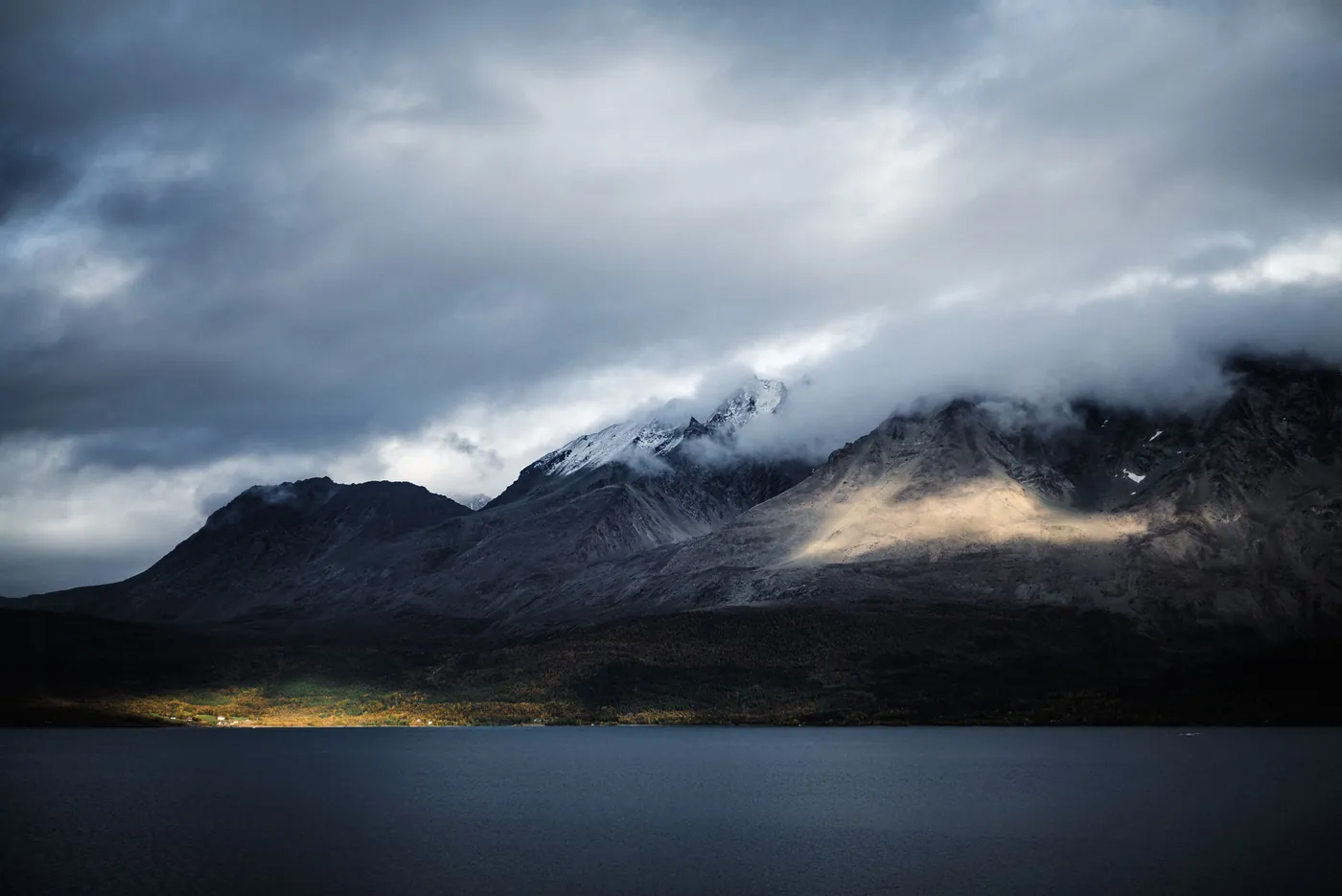
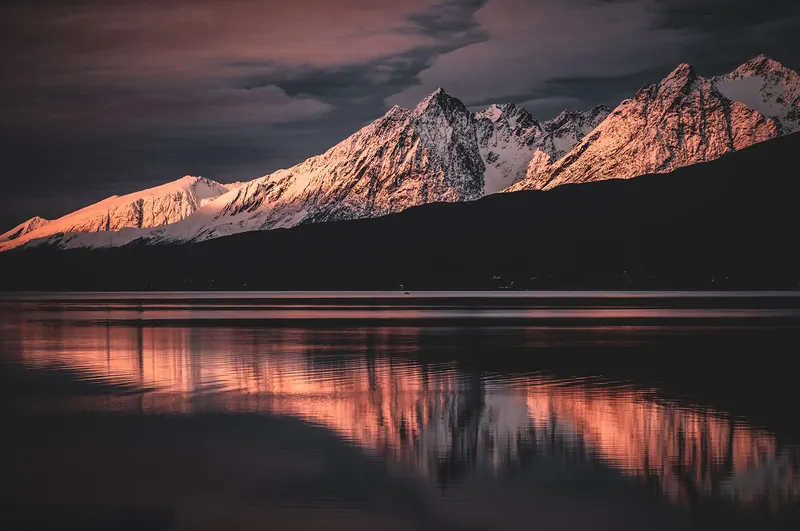
Like all fjords, the Ullsfjord—which is up to 278 meters deep—was formed as a river valley by an Ice Age glacier. It was much later that ocean water flooded the valley, which lay far below sea level. What remains are the U-shaped valleys carved by the glacier tongues and the steep mountain slopes surrounding them—within sight, the Jiehkkevárri, highest mountain in the Lyngen Alps, reaches an elevation of about 1,834 meters.
Arctic variety: the landscape
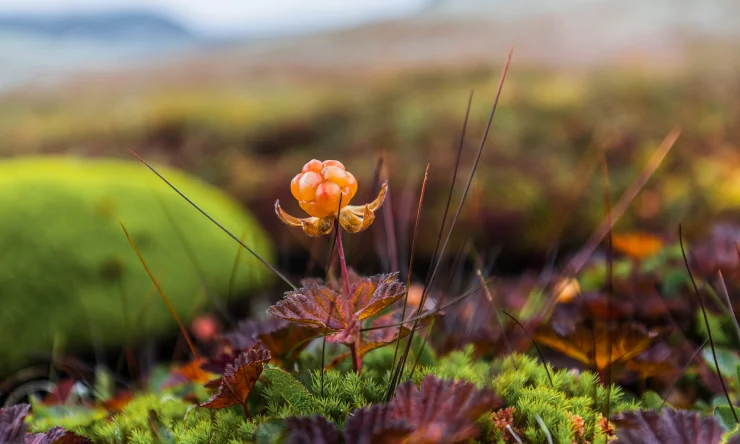
Wide fjords, picturesque islands, clear mountain lakes, wild waterfalls, ancient glaciers, vast forests, and rugged alpine peaks—the Troms region has many faces. At lower elevations, bog birches and willows, heather, berries, mosses, and lichens bring color to the changing seasons. Above the tree line, which begins as low as 200 to 400 meters, the equally colorful alpine tundra takes over the scenery.
Natural Hosts: The Wildlife
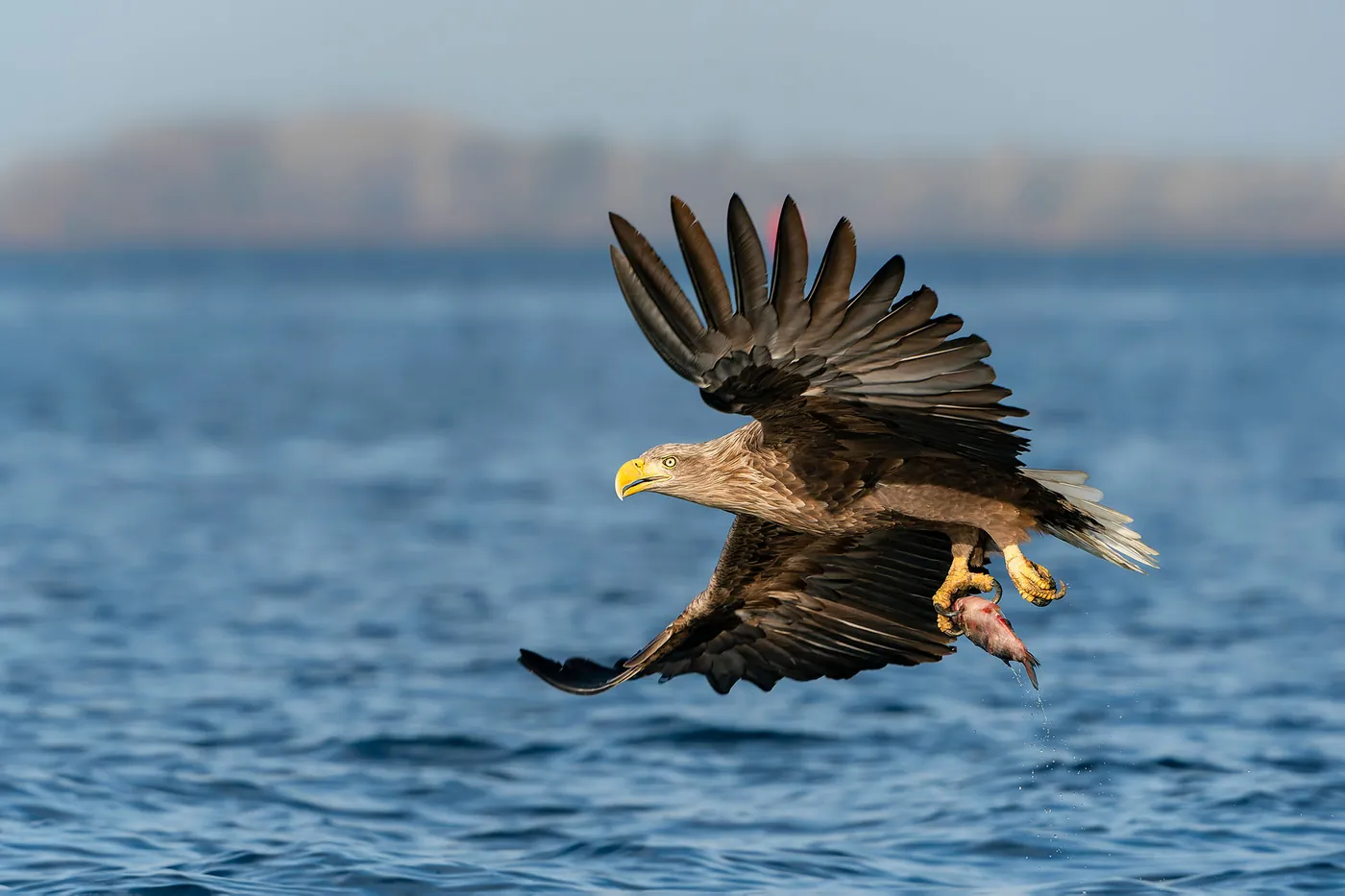
The Arctic is a silent land, but keen observers will discover their secret neighbors. Moose roam the marshes and forests, reindeer populate the entire lowland, and foxes, snow hares, and ptarmigans can be found in many places. Sea eagles cruise over the fjord, oystercatchers stroll along the shore—and in the water, seals, porpoises, orcas, and humpback whales appear according to their own schedule.
365 Days of Beauty: The Seasons
At Ullsfjord, every day is different, yet nature’s seasons set the rhythm here as well. A winter wonderland of snow spans from December through April, with the first snow often falling as early as October. Spring brings rapidly lengthening days between April and May, awakening the plant life while still allowing the Lyngen Alps to retain their snow-capped peaks. Summer is bright and warm and lasts well into August. Between September and October, the weather turns wild and rugged: Fall brings rapidly changing weather, harsh contrasts, and powerful winds along with the first northern lights.
The Mild Side of the Arctic: Temperatures
A trip to Ullsfjord is not a polar expedition. The maritime climate often makes temperatures feel very different from what you’d expect based on the thermometer. Even in the snowy winter, temperatures of –15° C are considered extreme but feel much milder than in continental regions. In summer, an average of 15° C feels like well over 20° C, and peak temperatures of up to 25° C feel really hot. Nevertheless, especially in rough weather, during rapid weather changes, on the water, and in valleys or at higher elevations, it’s always a good idea to wear versatile, layered clothing.
A personality of its own: the fjord
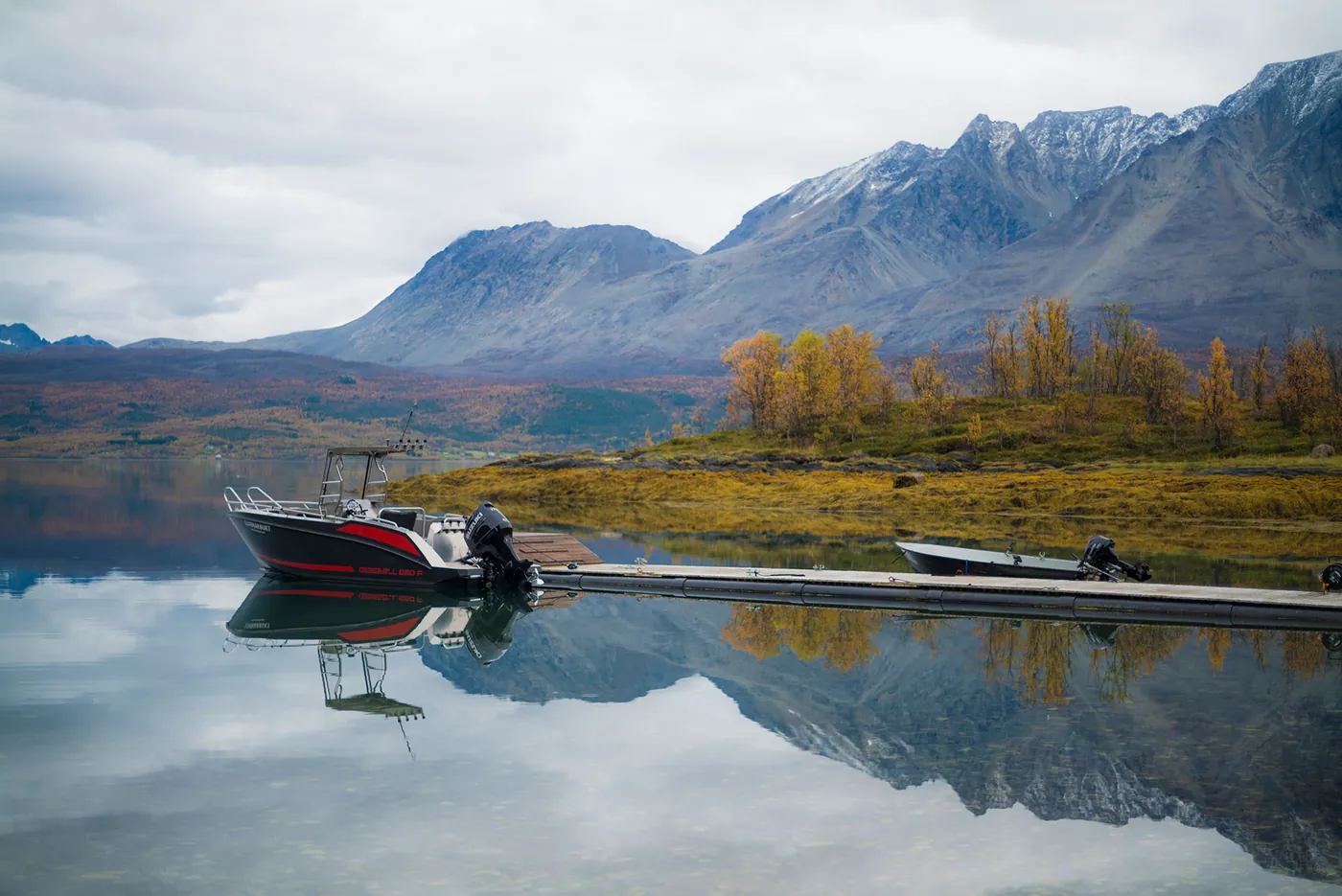
The Ullsfjord is the inner part of a long fjord system that opens into the North Sea via a narrow passage with a geographical threshold—the Storstraumen. The typical tidal range is up to two meters, which is why boathouses are built on pilings and equipped with floating docks. The tides provide nutrient-rich water that is home to, among other species, huge cod and halibut. Seasonally, the fjord becomes a hunting ground for porpoises, orcas, and humpback whales. Temperatures in the Ulssfjord range from 10–14°C in summer to 1–3°C in winter—the fjord almost never freezes over. In the neighboring Sørfjorden, however, the ice cover can reach 40–80 cm.
Magical Light for Every Day: The Solar Cycle
In Arctic Norway, true darkness is quite rare. Even during the polar night—from late November to mid-January—there is a distinctive twilight during the day that reaches its peak at noon in a dance of blues, oranges, and pinks. Between mid-May and late July, the sun never sets completely, and at night it creates a unique dome of soft, flowing light. The transition between winter and summer cycles happens much faster here in the Arctic than elsewhere.
Flaming Beauty: The Northern Lights
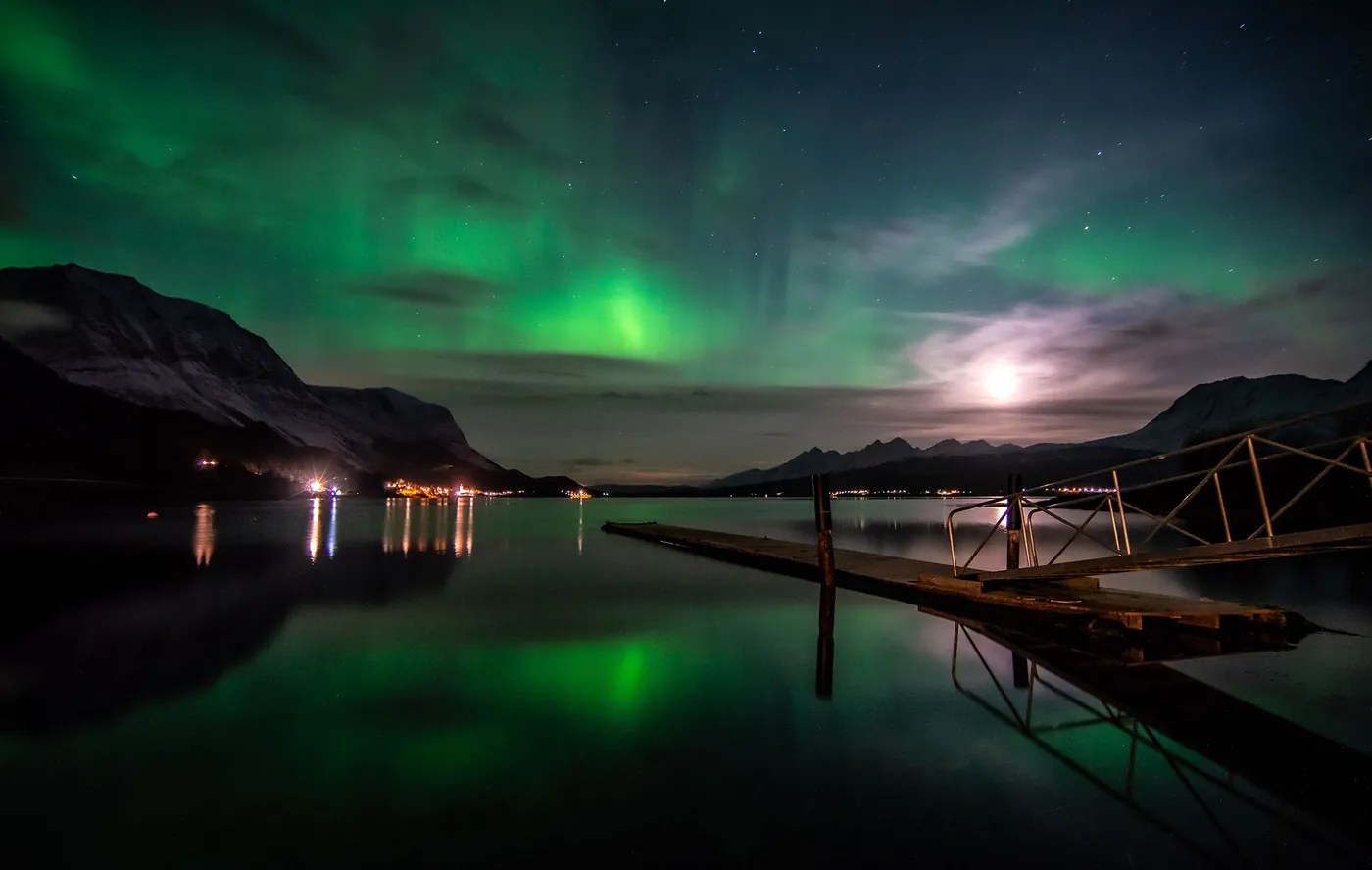
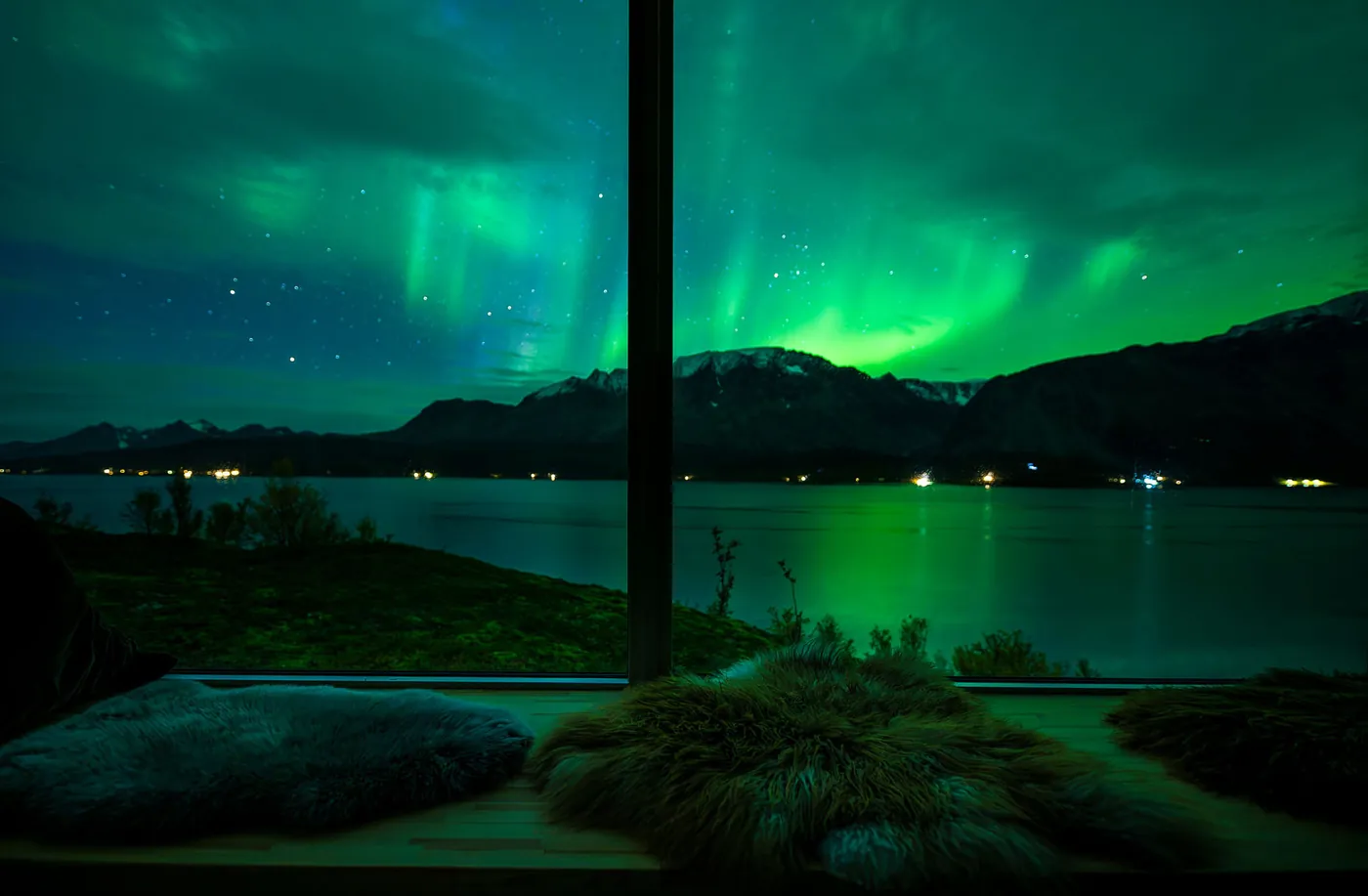
Aurora Borealis is a geomagnetic phenomenon that follows its own schedule and sometimes appears completely out of the blue. It can occur year-round, almost independently of the solar cycle—though it’s naturally harder to notice when the sun is up at midnight or in bright twilight. The typical season for Northern Lights spotters begins as early as late August and lasts until mid-April. Prime time is between 9 p.m. and 2 a.m.
Private, but never lonely: Your neighbors
The Norwegian coast is not a deserted landscape: Especially along the coastal roads of the fjords, there are frequent small settlements and solitary houses. This community is important to Norwegians and has given rise to an unwritten rule: to always leave a light on in the house—even when you’re away—for the sake of others. A willingness to help is a given, but at the same time, respect for privacy is expected. A friendly “Hei!” ([hæɪ̯]) always makes a good start.
The Great People of the North: the Sámi
The most well-known indigenous people of the European Arctic have shaped the cultural roots of the Troms region. They confidently preserve their own culture and language and bring them to life for tourists—for example, at the Sami Experience Tromsø, north of Sjursnes: Here, visitors can experience reindeer herding, fishing, Duodji crafts, and joik, the Sámi throat-singing tradition. February 6 is the Sámi National Day. By the way: “Davvi” is the Sámi word for “north,” and an ancient Sámi ritual site borders directly on our Ridge.
In the Glow of Snow and Light: The Christmas Season
The Arctic winter begins early and, with the Aurora Borealis, provides its own unique illumination. In Tromsø, people take advantage of this natural backdrop for a long Advent and Christmas season. The first Christmas markets open as early as November 3, and by November 20 at the latest, the entire city is aglow with lights. The whole city—along with thousands of visitors—turns Tromsø into a lively hotspot during this time. Celebrations take place with the family, accompanied by gløgg, Julenissen, ribbe, or pinnekjøtt.